
Streetlights Looking Blurry? Why You May Have Halo Vision

Have you ever been driving at night and noticed glowing rings or halos around streetlights, headlights, or traffic signals? If streetlights look blurry or surrounded by haze, you’re not imagining it. This visual disturbance - commonly called halo vision - can be a sign that your eyes are struggling to focus light properly, especially in low-light conditions.
While occasional halos can happen temporarily, frequent or worsening halo vision deserves attention. Understanding the causes is the first step toward protecting your eye health and restoring clearer vision.
What Is Halo Vision?
Halo vision occurs when light entering the eye scatters instead of focusing sharply on the retina. This scattering creates a ring or glow around light sources, most noticeable at night. Some people describe it as starbursts, glare, or foggy lights, and it can make nighttime driving uncomfortable - or even unsafe.
Common Causes of Halo Vision
Refractive Errors - Uncorrected or outdated prescriptions for nearsightedness, farsightedness, or astigmatism are among the most common causes of halos. Even small changes in your vision can significantly affect how light is focused after dark.
Dry Eye Syndrome - Dry eyes don’t just cause irritation - they can disrupt the smooth tear film that helps light pass cleanly through the eye. When the tear film is unstable, light scatters unevenly, leading to halos and glare, particularly at night.
Cataracts - Cataracts cause the eye’s natural lens to become cloudy over time. Early cataracts often show up as increased glare or halos around lights long before vision seems noticeably blurred during the day.
Corneal Conditions - Issues such as corneal swelling, scarring, or irregular shape (including keratoconus) can distort incoming light. Because the cornea plays a major role in focusing vision, even minor abnormalities can cause pronounced halos.
Eye Strain and Fatigue - Extended screen time and prolonged focusing - especially without breaks - can temporarily affect how your eyes handle contrast and light, making halos more noticeable at night.
Certain Medications or Eye Drops - Some medications can affect pupil size or tear production, increasing glare and halo effects, particularly in dim lighting.
Why Halo Vision Shouldn’t Be Ignored
Halo vision isn’t just a nuisance - it can be a safety concern, especially when driving at night. More importantly, it can signal underlying eye conditions that may worsen without treatment. Catching these issues early can make a significant difference in maintaining clear, comfortable vision.
The Importance of a Comprehensive Eye Exam
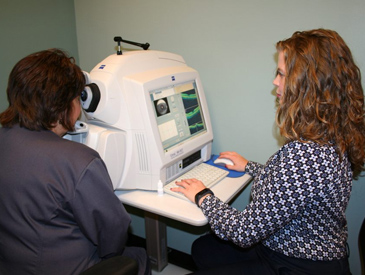
A comprehensive eye exam goes far beyond checking whether you need glasses. It allows your eye doctor to:
Evaluate how light is focusing inside your eyes
Check for early signs of cataracts, dry eye, or corneal conditions
Ensure your prescription is accurate for both day and night vision
Assess overall eye health, often detecting issues before symptoms become severe
Regular eye exams are one of the most effective ways to identify the cause of halo vision and prevent future complications.
Clearer Night Vision Starts with an Eye Exam
If streetlights look blurry or surrounded by halos, your eyes may be telling you something important. From dry eye and refractive errors to early cataracts, halo vision has many possible causes - but most are manageable when caught early. Clear night vision isn’t just about comfort; it’s about safety and long-term eye health.
If you’re noticing halos around lights or struggling with night vision, schedule a comprehensive eye exam at Garden City Eye Care today. Visit our office in Cranston, Rhode Island, or call (401) 943-8151 to book an appointment today.

Our Services
Contact Info
Hours of Operation
- Monday 8:00am - 5:00pm
- Tuesday 8:00am - 6:00pm
- Wednesday 8:30am - 5:00pm
- Thursday 8:00am - 5:00pm
- Friday 8:00am - 4:00pm
- Saturday 8:00am - 1:00pm
- Sunday Closed
© 2026 Garden City Eye Care. All rights Reserved. Accessibility Statement - Privacy Policy - Sitemap
Powered by:
